
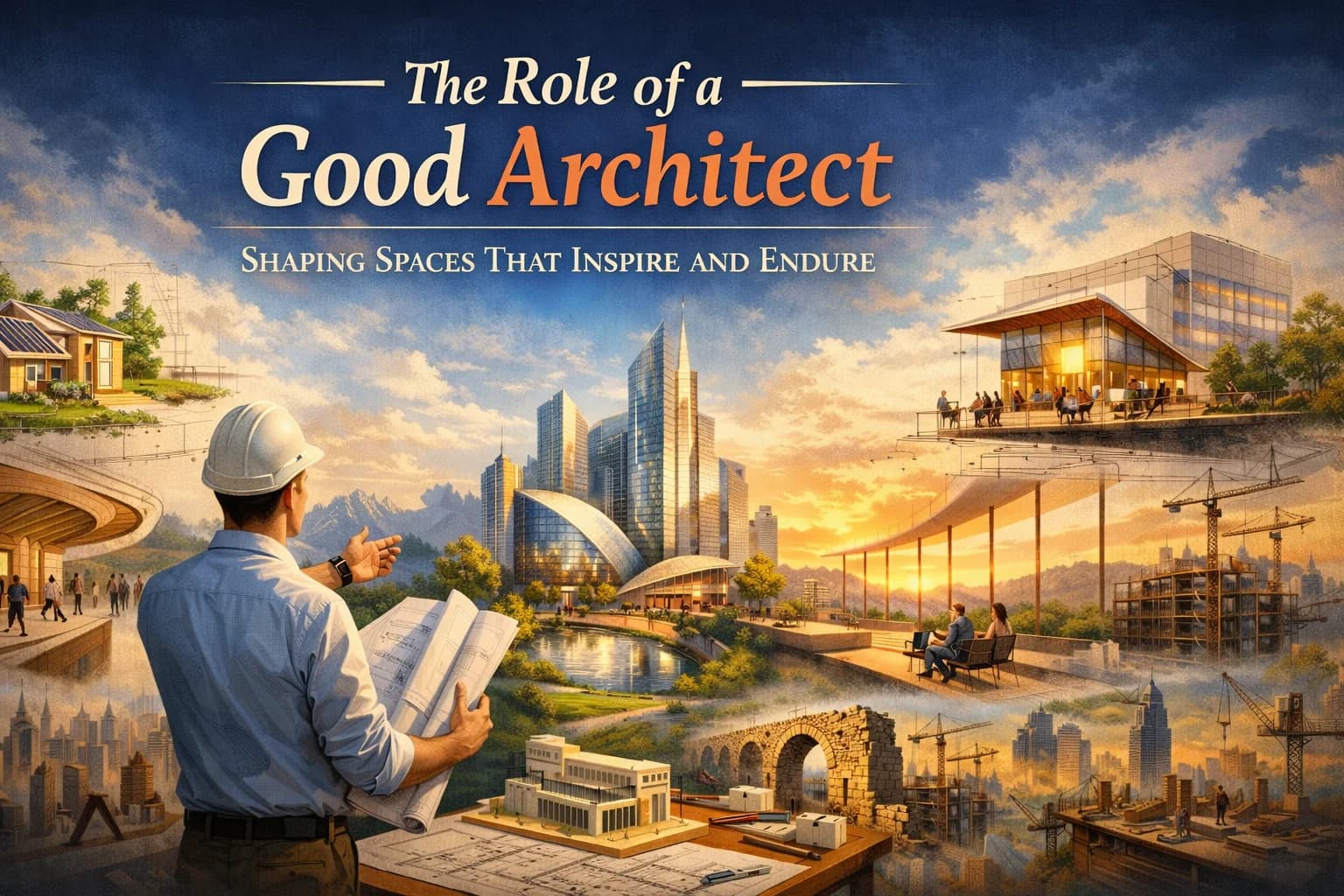
Architecture is far more than the simple act of designing buildings - it is the art and science of creating spaces that uplift the human spirit while standing firm against the tests of time and nature. A skilled architect serves as both visionary and pragmatist, blending creative imagination with technical precision to shape the world we inhabit. From the homes where we raise our families to the offices where we pursue our careers, from the hospitals that heal us to the museums that inspire us, architects quietly but profoundly influence nearly every aspect of our daily lives.
At its core, architecture represents a unique fusion of artistic expression and practical problem-solving. The best architects understand that truly great design must satisfy both emotional and functional needs. They create structures that not only please the eye but also serve their intended purpose with effortless efficiency. This delicate balance between beauty and utility, between aspiration and reality, lies at the heart of what makes architecture such a vital and fascinating profession.
The Multifaceted Responsibilities of an Architect
The work of an architect extends far beyond the drafting table or computer screen. While conceptualizing and designing buildings forms the most visible aspect of their job, their actual responsibilities encompass a much broader range of activities that span the entire lifecycle of a construction project.
Designing Spaces That Work
Every successful architectural project begins with a deep understanding of human needs and behaviors. Architects must consider how people will interact with the spaces they create - how they will move through them, what activities will occur within them, and how the environment can best support those activities. This requires careful attention to spatial relationships, traffic flow, and ergonomic considerations.
A well-designed home, for instance, doesn't just look attractive in photographs - it makes daily life easier through thoughtful layouts that minimize wasted steps, maximize natural light, and create natural gathering spaces for families. Similarly, an effective office building promotes productivity through intelligent space planning that balances private work areas with collaborative spaces, all while maintaining proper lighting, acoustics, and ventilation.
Navigating Complex Constraints
Architecture exists at the intersection of numerous competing demands and limitations. Every project must reconcile aesthetic aspirations with practical realities like budget constraints, site conditions, building codes, and client requirements. The true test of an architect's skill lies in their ability to find elegant solutions within these constraints.
Consider the challenges posed by urban infill projects, where architects must design buildings to fit within existing neighborhoods while complying with zoning regulations, addressing parking requirements, and respecting the architectural character of the surrounding area. Or imagine designing a hospital, where the architect must balance the need for sterile environments with the desire to create healing spaces that reduce patient stress. These complex problem-solving scenarios are where good architects truly distinguish themselves.
Coordinating Diverse Teams
An architect's vision only becomes reality through the coordinated efforts of numerous professionals. Architects serve as the central hub connecting clients, engineers, contractors, interior designers, and various specialists. This requires not only technical knowledge but also strong leadership and communication skills.
The relationship between architects and structural engineers provides an excellent example of this collaboration. While the architect conceives the overall form and function of a building, the engineer ensures that this vision can actually stand up - literally. Their ongoing dialogue shapes decisions about materials, structural systems, and construction methods, with each professional contributing their unique expertise to create a building that is both beautiful and sound.
Ensuring Safety and Compliance
Beyond aesthetics and functionality, architects bear significant responsibility for public safety. They must design buildings that protect occupants from fire, earthquakes, and other hazards while complying with an increasingly complex web of building codes and regulations.
This aspect of architectural practice has grown even more crucial in recent years as societies confront new challenges like climate change and accessibility requirements. Modern architects in gurgaon must consider everything from energy efficiency and sustainable materials to universal design principles that make spaces usable by people of all ages and abilities. These considerations aren't just legal requirements - they represent an ethical obligation to create buildings that serve all members of society.
The Essential Skills of a Successful Architect
Becoming an accomplished architect requires developing a diverse set of capabilities that span both the creative and technical realms. While architectural education provides the foundation, true mastery comes through years of practice and continuous learning.
Creative Vision and Artistic Sensibility
At its heart, architecture remains an art form. The greatest architects throughout history - from Frank Lloyd Wright to Zaha Hadid - have been those who could envision spaces that transcended conventional thinking. This creative capacity allows architects to imagine possibilities where others see only empty lots or outdated buildings.
However, architectural creativity differs from pure artistic expression in one crucial aspect: it must serve practical human needs. The architect's challenge lies in channeling their creativity toward solutions that are both innovative and appropriate for their context. Whether drawing inspiration from nature, local culture, or cutting-edge technology, architects must develop a distinctive design sensibility while remaining grounded in reality.
Technical Proficiency and Engineering Understanding
While architects need not be engineers, they must possess sufficient technical knowledge to design buildings that can actually be constructed. This includes understanding structural principles, material properties, mechanical systems, and construction techniques.
In today's digital age, technical proficiency also extends to mastering sophisticated design software. Programs like AutoCAD, Revit, and Rhino have become essential tools for creating precise drawings, testing structural concepts, and producing photorealistic renderings. However, technology should enhance rather than replace fundamental design skills - the best architects maintain strong hand-drawing abilities and spatial visualization skills alongside their digital expertise.
Communication and Collaboration Abilities
Architecture is fundamentally a social art that requires constant communication with diverse stakeholders. Architects must be able to clearly explain their ideas to clients who may lack technical knowledge, negotiate with contractors about practical construction issues, and coordinate with various specialists throughout the design and building process.
This interpersonal aspect of architecture often separates adequate practitioners from exceptional ones. The ability to listen carefully to client needs, interpret often vague desires into concrete design solutions, and mediate between competing interests proves invaluable in creating successful projects. Many promising designs fail not because of technical flaws but because of breakdowns in communication between the various parties involved.
Attention to Detail and Precision
In architecture, small oversights can lead to major problems. A minor measurement error in plans might result in costly construction mistakes, while overlooking a building code requirement could create safety hazards. Successful architects develop meticulous work habits and rigorous quality control processes to catch potential issues before they become real problems.
This precision extends beyond technical details to encompass every aspect of design. The proportions of windows, the rhythm of structural elements, the transitions between materials - all require careful consideration to create cohesive, harmonious spaces. The architect's eye must constantly shift between the big picture and the smallest details, ensuring that every element contributes to the overall vision.
Project Management and Organizational Skills
Bringing a building from concept to completion requires managing numerous moving parts over extended timeframes. Architects must develop strong organizational skills to keep projects on schedule and within budget while maintaining design integrity.
This involves coordinating teams, tracking documentation, managing client expectations, and making countless decisions that collectively determine a project's success. Many architects find that as their careers progress, they spend increasing amounts of time on these managerial aspects of practice, requiring them to develop business acumen alongside their design skills.
The Profound Impact of Architecture on Society
The work of architects extends far beyond individual buildings to shape the very fabric of our communities and cultures. Thoughtful architecture can elevate quality of life, while poor design decisions can create problems that persist for generations.
Enhancing Human Well-Being
Numerous studies have demonstrated how architectural design affects our health, mood, and productivity. Hospitals with ample natural light and views of nature help patients heal faster. Schools with well-designed classrooms improve student learning outcomes. Offices with proper ventilation and acoustics enhance worker satisfaction and performance.
The growing field of evidence-based design uses scientific research to inform architectural decisions, creating spaces that actively promote physical and mental well-being. From reducing stress through biophilic design elements to encouraging social interaction through thoughtful space planning, architects have powerful tools to improve lives through their work.
Advancing Environmental Sustainability
With buildings accounting for nearly 40% of global energy consumption, architects play a crucial role in addressing climate change. Sustainable design principles like passive solar heating, natural ventilation, rainwater harvesting, and renewable energy integration can dramatically reduce a building's environmental impact.
Contemporary architects are pushing these concepts even further through innovations like net-zero energy buildings that produce as much energy as they consume, and regenerative designs that actually improve their surrounding ecosystems. These approaches represent not just environmental responsibility but also long-term economic savings for building owners and occupants.
Preserving Cultural Heritage
Architecture serves as a tangible record of human civilization, reflecting the values, technologies, and aesthetic sensibilities of different eras and cultures. Architects specializing in historic preservation work to maintain this connection to our past, carefully restoring significant buildings while adapting them for contemporary use.
Even in new construction, many architects draw inspiration from local traditions, materials, and building techniques, creating designs that feel rooted in their place rather than generic. This cultural sensitivity helps maintain regional identities in an increasingly globalized world while often yielding climate-appropriate solutions honed over generations.
Driving Economic Development
Quality architecture contributes to economic vitality in numerous ways. Well-designed commercial spaces attract businesses and customers. Thoughtful urban planning creates vibrant neighborhoods that draw residents and tourists alike. Iconic cultural buildings become landmarks that define cities and generate tourism revenue.
The construction industry itself represents a major economic driver, employing millions worldwide. Architects help ensure these investments yield long-term value by creating buildings that remain functional, attractive, and adaptable over time rather than becoming prematurely obsolete.
The Evolving Challenges of Architectural Practice
While architecture offers immense opportunities to shape the built environment, practitioners today face numerous challenges that test their skills and adaptability.
Balancing Artistic Vision with Practical Constraints
Perhaps the most fundamental tension in architecture lies between creative aspiration and pragmatic limitations. Clients often have ambitious visions but limited budgets. Municipal regulations may restrict design possibilities. Site conditions present physical challenges. Material shortages or labor issues can derail carefully laid plans.
Navigating these constraints requires flexibility and problem-solving ingenuity. The best architects view limitations not as obstacles but as creative catalysts that push them toward innovative solutions they might not have otherwise considered.
Adapting to Technological Change
The architectural profession is undergoing rapid technological transformation. Building information modeling (BIM) has revolutionized design and construction processes. Parametric design tools enable complex geometries previously impossible to conceive or construct. Virtual and augmented reality allow clients to experience unbuilt spaces with unprecedented realism.
While these advances offer exciting possibilities, they also demand continuous learning. Architects must stay abreast of new tools while maintaining core design skills. They must also thoughtfully integrate technology where it enhances rather than replaces human-centered design thinking.
Addressing Climate Change and Resilience
As climate-related disasters become more frequent and severe, architects must design buildings that can withstand extreme weather while minimizing their environmental impact. This requires rethinking everything from material selection to site planning to mechanical systems.
Forward-thinking architects are exploring passive survivability - designing buildings that can maintain safe conditions even during extended power outages - as well as adaptive reuse strategies that give existing structures new life rather than demolishing them. These approaches represent both ethical imperatives and practical responses to our changing world.
Meeting Evolving Societal Needs
Demographic shifts, changing work patterns, and public health concerns all influence architectural practice. The COVID-19 pandemic, for instance, has prompted reevaluation of ventilation systems, spatial layouts, and the very purpose of office spaces. Aging populations require more accessible designs. Urbanization pressures demand creative housing solutions.
Architects must remain attuned to these societal changes while anticipating future needs. The most successful practitioners combine research skills with design talent to create spaces that address today's requirements while remaining adaptable for tomorrow's challenges.
Conclusion: The Enduring Importance of Good Architecture
In a world facing unprecedented environmental, social, and technological changes, the role of the architect has never been more vital. Good architecture does far more than provide shelter - it shapes how we live, work, learn, heal, and interact. It can inspire joy, foster community, conserve resources, and preserve culture.
The best architects approach their work with equal measures of creativity and responsibility, artistry and technical mastery, vision and pragmatism. They understand that their decisions will outlast them, influencing generations to come. This profound sense of legacy - the knowledge that their work literally shapes the physical world - makes architecture one of the most rewarding and impactful professions.
At Space Manthan, we celebrate this transformative power of architecture. Through our platform, we aim to showcase exceptional design, share architectural knowledge, and inspire the next generation of architects who will shape our future built environment.
The spaces we inhabit profoundly influence our quality of life. By supporting good architecture, we invest in a better world - one thoughtful, beautiful, functional space at a time.